
Three answers up front: store tablets dry, cool and in the original blister; distrust any tablet that changed colour, smell or texture; and return unwanted medicines to any pharmacy, free, under Australia's RUM Project — not down the toilet, not in the bin.
Why the bathroom is the worst cabinet in the house
Heat and humidity are what age a tablet, and the bathroom concentrates both several times a day. Every shower puts warm, wet air into the room; the medicine cabinet above the basin sits right in it. Tablets absorb moisture, coatings soften, and the degradation that the expiry date assumed would take three years takes rather less.
Better places are unglamorous: a bedroom drawer, a linen cupboard, a kitchen cupboard away from the kettle and the oven. The rules are simple —
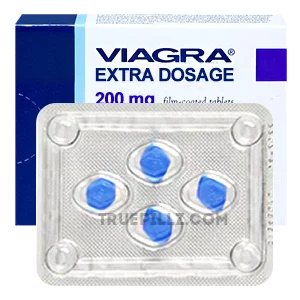
- keep tablets in the original blister and carton, which are designed to block light and moisture;
- below 25 °C, out of direct sun, away from steam;
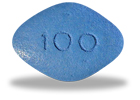
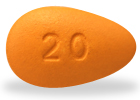
- out of sight and reach of children — a bright tablet is an interesting object;
- follow the leaflet if it asks for something different, such as refrigeration. The leaflet always wins over a general rule.
A pill organiser is a genuine trade-off worth naming: it helps you remember doses, but it strips the protection the blister provided. If you use one, fill it a week at a time rather than a month, and keep it somewhere dry.
When to distrust a tablet
The date is not the only signal. Treat a tablet as unusable, whatever the carton says, if you see:
- discolouration, spots, or a smell that was not there before;
- crumbling, stickiness, or tablets fused together;
- a swollen, cracked or previously wet blister;
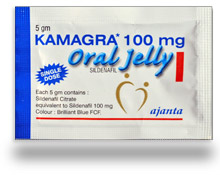
- a gel sachet that has leaked or separated.
For ED tablets the practical consequence of using one anyway is an unpredictable dose — which is the reason not to.
Disposal in Australia: the RUM Project
Australia has a national scheme for exactly this, and it is free. The Return Unwanted Medicines (RUM) Project lets you hand expired or unwanted medicines to any community pharmacy at no charge; they are collected and destroyed by high-temperature incineration. You do not need a receipt, an explanation, or to have bought them there.
What not to do, and why:
| Method | Why it is wrong |
|---|---|
| Flushing down the toilet or sink | Sewage treatment is not designed to remove drug residues; they reach waterways |
| Household bin | Reachable by children, pets and anyone going through the rubbish; ends up in landfill |
| Giving them to a friend | Prescription medicines are prescribed for one person's circumstances — including the interactions they were checked against |
| Pharmacy return (RUM) | Free, safe, and what the scheme exists for |
Leave tablets in their blisters when you hand them in, and peel or scratch off any personal details from a dispensing label first.
A yearly ten-minute audit
- Tip everything out once a year — a fixed date you will remember, like the end of financial year.
- Check every expiry date, and every tablet's condition against the list above.
- Bag anything expired, unidentifiable or left over from a course you did not finish, and drop it at the pharmacy next time you pass.
- Note what you actually use, and buy pack sizes to match — see the current per-pill prices for sildenafil and tadalafil.
Sources
- RUM Project — Return Unwanted Medicines, the national pharmacy take-back scheme
- Healthdirect — Storing and disposing of medicines