
The basics in three sentences
- Dapoxetine is a fast-acting SSRI taken 1–3 hours before sex — not a daily antidepressant.
- In trials it multiplies time-to-ejaculation from a low baseline; it is a delay, not a switch.
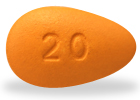
- It pairs with ED treatment in one tablet — that combination is Tadapox (tadalafil + dapoxetine).
How common this is, and what "premature" means
Premature ejaculation is the most common sexual complaint reported by men, and far more common than the silence around it suggests. The clinical definition has three parts: ejaculation that consistently happens sooner than wanted, little sense of control over when it happens, and distress about it. All three matter — occasional quick finishes are normal and not a condition.
The distinction that changes the approach is lifelong versus acquired. Lifelong PE has been there since the first sexual experiences and behaves like a set point of the reflex. Acquired PE started after a period of normal function, and that pattern deserves a medical look first: it can follow prostate inflammation, thyroid problems, a new medicine, or the arrival of erectile difficulty.
What actually helps
Three things, and they combine well. Medication raises the reflex threshold for an evening — dapoxetine is the molecule designed for it. Technique, meaning the start-stop and squeeze methods, retrains the response and keeps working after you stop taking anything. Removing the pressure — less alcohol, fewer stopwatch expectations, an honest conversation with your partner — does more than most men expect, because anxiety feeds the reflex directly.
Where to start
Start by sorting out whether this is really PE or an erection problem wearing its costume — the guide below on PE and ED together does that in a table, and getting it right saves months. The commercial side lives on Priligy (dapoxetine); the combination tablets are Tadapox and P-Force Fort.
The part nobody writes about
Premature ejaculation is unusually responsive to how it is handled between two people, and unusually worsened by silence. Framed as a personal failure it produces exactly the anxiety that shortens the reflex further; framed as a common, treatable pattern it tends to improve even before treatment does anything.
That is not a substitute for medicine, and it is not a reason to avoid a doctor — particularly when the problem is new. It is simply the cheapest intervention available, and the one most consistently left out of pages selling tablets.